
LinkedIn outreach remains the most effective way to initiate real B2B relationships because it is proactive, targeted, and conversation-driven. While content builds awareness, outreach creates dialogue. For founders and sales teams, structured LinkedIn outreach continues to be the fastest route to qualified conversations and predictable pipeline growth.
This article is written for B2B founders, sales leaders, and business development teams who want consistent conversations with decision-makers on LinkedIn.
If you are relying solely on inbound marketing, posting content, or waiting for referrals, this will clarify why proactive outreach still drives stronger relationship outcomes.
What Is LinkedIn Outreach?
LinkedIn outreach is the intentional process of identifying ideal prospects on LinkedIn and initiating personalized conversations to build professional relationships.
It is important to distinguish outreach from spam. True outreach is:
- Targeted to a defined ideal client profile
- Personalized based on research
- Focused on starting a conversation rather than pushing a sale
In B2B environments, outreach is modern relationship-building. It replaces cold knocking with contextual engagement.
Why Outreach Outperforms Passive Content
Posting content on LinkedIn is valuable. It builds visibility, credibility, and authority over time. But content alone does not guarantee conversations.
Outreach changes the dynamic. Instead of hoping the right person sees your post, you directly initiate contact with the right person.
The key difference is simple:
- Content is one-to-many and passive
- Outreach is one-to-one and proactive
If your objective is pipeline generation, not just brand awareness, proactive conversation matters more than passive impressions.
Why LinkedIn Is the Ideal Platform for Relationship Initiation
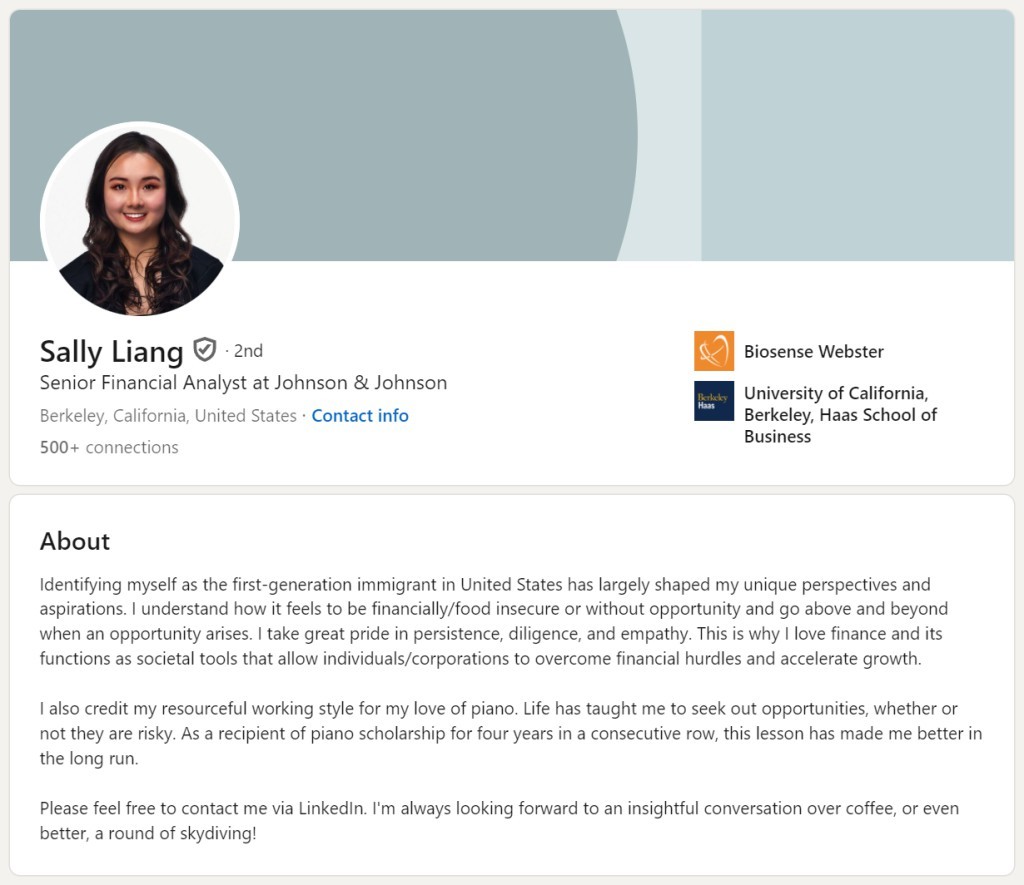
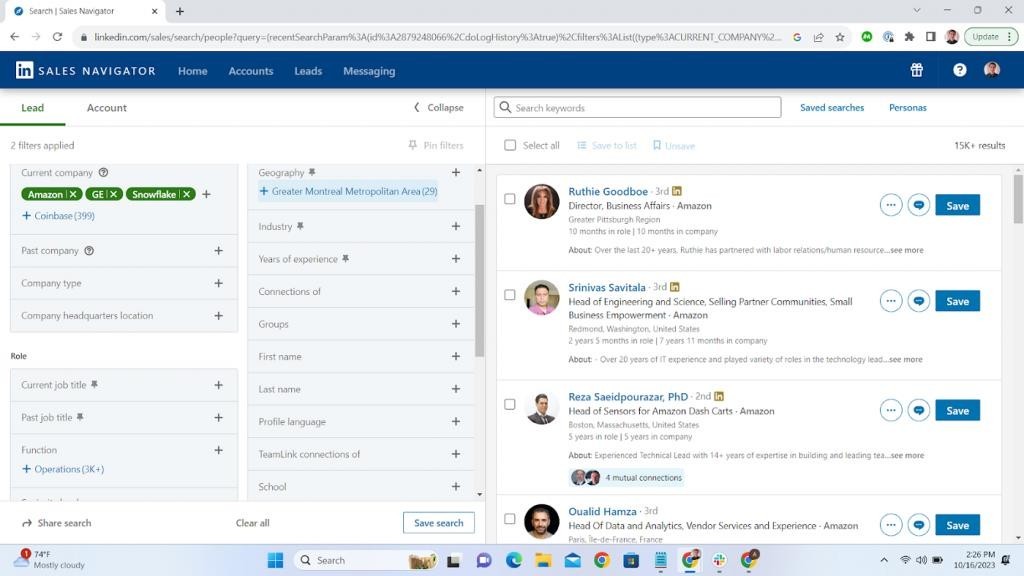
LinkedIn is uniquely suited for outreach because it combines professional identity, company data, and direct messaging in one environment.
Decision-makers actively maintain their profiles. Titles, company size, recent career moves, and content activity are visible. That context allows you to approach someone intelligently instead of blindly.
Unlike cold email, LinkedIn provides:
- Verified professional identity
- Mutual connections
- Shared groups or interests
- Public activity you can reference
This reduces friction and increases trust at the very first touchpoint.
What Makes Outreach the Most Effective Way to Start a Real Relationship?
Real relationships begin with dialogue. Outreach creates that dialogue. When executed correctly, outreach gives you control over:
- Who you speak to
- When you speak to them
- How the conversation begins
- How the follow-up unfolds
That level of control is powerful for founders and revenue teams who cannot afford unpredictable pipeline flow.
More importantly, personalized outreach accelerates trust. Referencing a prospect’s recent post, company milestone, or industry challenge signals effort and attention. That effort differentiates you from generic connection requests. Over time, these small, relevant interactions compound into meaningful business relationships.
The Psychology Behind Why Outreach Works
Human beings respond to relevance and recognition.
When someone receives a thoughtful, specific message that clearly relates to their role or goals, it feels different from a mass pitch. It feels intentional.
A strong outreach message does three things:
- Demonstrates context
- Signals alignment
- Invites conversation
It does not rush into a sales pitch. It opens a door.
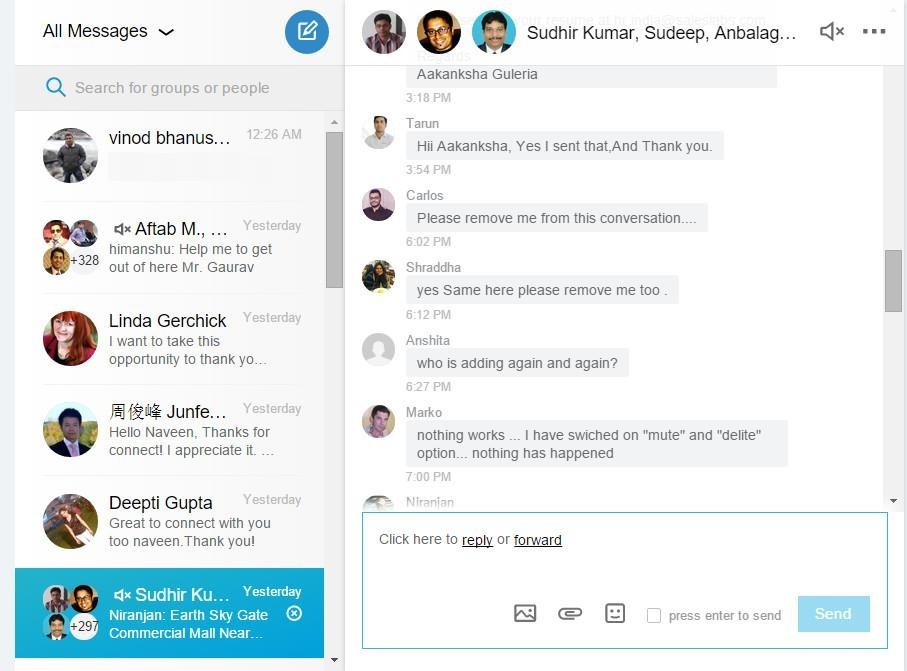
That distinction is why outreach continues to outperform automation-heavy tactics that prioritize volume over relevance.
How to Initiate a Relationship on LinkedIn
There is a clear structure behind effective outreach.
First, define your ideal prospect profile. This includes industry, role, company size, and common pain points. Without clarity here, messaging becomes generic.
Second, conduct light research before sending a connection request. Look at recent activity, shared interests, or company updates. Find a relevant entry point.
Third, keep the connection message short and contextual. Avoid selling. A simple introduction tied to something specific works best.
After the connection is accepted, continue the conversation naturally. Ask questions. Share insight. Build rapport before transitioning to business discussion.
The sequence is simple:
- Connect with relevance
- Engage with curiosity
- Identify fit
- Introduce value
Relationships develop through conversation, not pressure.
Common Mistakes That Undermine Outreach
Many professionals assume outreach does not work because they have only seen poor execution.
The most common mistakes include:
- Sending long, sales-heavy first messages
- Using identical scripts for every prospect
- Following up aggressively without engagement
- Automating at scale without personalization. These approaches damage trust and brand positioning.
Strategic outreach, by contrast, strengthens credibility because it feels human.
Why This Matters for EngageBizDev Clients
For B2B founders and revenue teams, pipeline inconsistency creates pressure. Waiting for inbound demand is risky. Relying only on content is slow.
Structured LinkedIn outreach creates a repeatable system for starting conversations with qualified decision-makers.
At EngageBizDev, the focus is on precision targeting and human-centered messaging. The goal is not to send more messages. The goal is to generate meaningful conversations that convert into revenue opportunities. When done properly, outreach becomes a relationship engine, not just a lead generation tactic.
Key Takeaways
LinkedIn outreach remains the most controllable and direct way to initiate B2B relationships. Content builds visibility, but outreach builds conversations. Personalization determines response rates. Conversation-first messaging builds trust faster than pitch-first messaging. And consistent, structured outreach drives predictable pipeline growth.
FAQ
Is LinkedIn outreach better than cold email?
For many B2B industries, LinkedIn offers stronger context and credibility because professional identities are visible. A multi-channel strategy can be effective, but LinkedIn often creates warmer first-touch conversations.
How long should a first message be?
Short and relevant. Under 75 words is generally effective. The goal is to spark interest, not close a deal immediately.
How quickly can results appear?
Initial conversations can begin within weeks if targeting and messaging are strong. Sustainable pipeline growth typically builds over 60 to 90 days, depending on industry and volume. (source needed: performance benchmarks)
Should outreach be automated?
Automation can assist workflow management, but fully automated, non-personalized messaging risks account restrictions and brand damage.
What is the biggest mistake in LinkedIn outreach?
Leading with a pitch instead of leading with curiosity.
Final Perspective
Platforms evolve. Algorithms shift. Attention spans shorten. But business still runs on relationships.
On LinkedIn, outreach remains the most direct, strategic, and scalable way to initiate one.
If your goal is real conversations with decision-makers, proactive outreach is not outdated. It is essential.