
Most B2B companies are not suffering from a lack of leads. They are suffering from inconsistent pipeline generation. Revenue swings are usually caused by unpredictable outreach systems. Consistency in targeting, messaging, and cadence creates stability. Pipeline predictability reduces stress and enables growth.
This article is for B2B founders, sales leaders, and revenue teams who experience unpredictable pipeline performance.
If you have ever said, “We need more leads,” after a slow month, this perspective may challenge that assumption.
Because in many cases, the issue is not lead volume.
It is pipeline consistency.
What Is a Pipeline Consistency Problem?
A pipeline consistency problem occurs when conversations, meetings, and opportunities fluctuate month to month without a clear operational reason.
One month, your team is busy.
The next month’s calendars are open.
Revenue feels reactive instead of engineered.
Pipeline consistency means your outreach and prospecting efforts generate a steady flow of qualified conversations. It does not mean every month is identical. It means your inputs are controlled enough that outputs become predictable.
Without that structure, performance feels random.
Without that structure, performance feels random.
Why “We Need More Leads” Is Often the Wrong Diagnosis
When deals slow down, the immediate reaction is to increase volume. Run more ads. Send more emails. Increase connection requests on LinkedIn.
But more activity does not automatically create a more qualified pipeline.
In most B2B markets, there are enough potential buyers. The challenge is not awareness of your existence. It is the absence of a repeatable system that consistently initiates and nurtures conversations with the right decision-makers.
A true lead problem suggests market demand is weak. A pipeline consistency problem suggests your process lacks stability.
For most growing B2B firms, demand exists. Structure does not.
The Hidden Causes of Pipeline Volatility
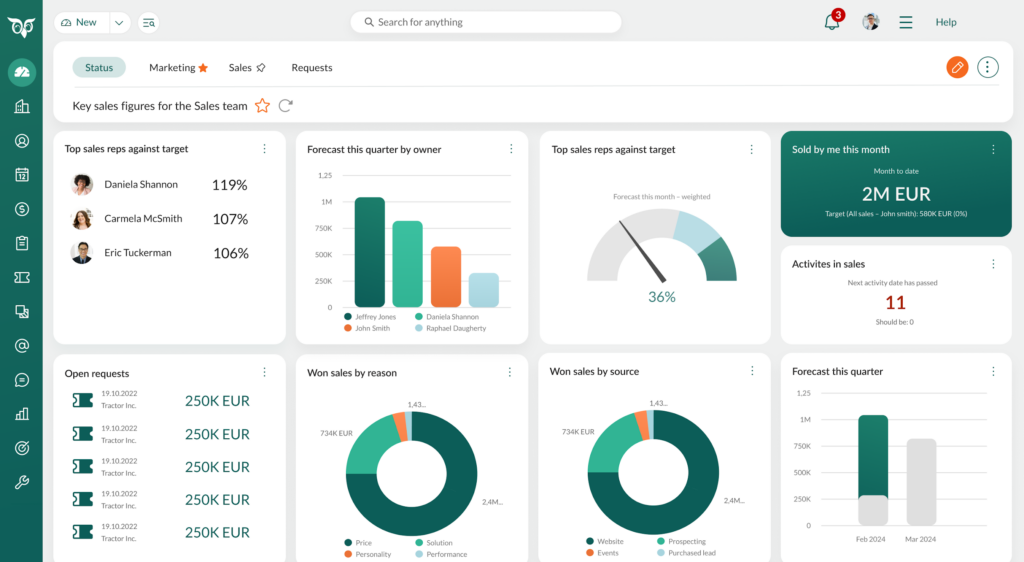
A single issue rarely causes pipeline volatility. It is usually the result of several small inconsistencies that compound over time.
Targeting may be too broad, making the messaging feel generic. Messaging may change frequently without proper measurement. Outreach activity may surge when revenue pressure rises and then decline once a few deals close.
These fluctuations distort your data. Without consistent inputs, you cannot accurately evaluate performance.
When you change too many variables at once, you lose the ability to identify what works.
The result is instability that feels like a lead shortage but is actually a systems gap.
The Difference Between Leads and Pipeline
It is important to separate the concept of leads from the pipeline.
Leads are contacts. Names. Profiles. Potential buyers.
Pipeline is movement. It is the progression of conversations through stages that ultimately produces revenue.
You can have thousands of leads and still have an empty pipeline. What matters is the consistency with which those leads are engaged, qualified, and advanced.
Pipeline consistency depends on controlled outreach inputs:
- Clear ideal client profile
- Structured messaging framework
- Defined weekly activity levels
- Measured follow-up cadence
Without these, leads remain dormant.
What Predictable Pipeline Actually Requires
A predictable pipeline does not rely on motivation or urgency. It relies on engineering.
First, targeting must be precise. Broad definitions like “SaaS companies” or “consulting firms” create vague messaging. Narrow segments create relevance.
Second, messaging must follow a structured framework. That does not mean robotic scripts. It means consistent architecture. Context. Alignment. Invitation. This structure allows refinement over time.
Third, outreach cadence must be disciplined. Sporadic bursts of effort create sporadic results. Weekly standards create stable momentum.
Finally, performance must be measured across the entire funnel. Acceptance rates, conversation depth, meeting conversion, and closed revenue all provide clarity. Reply rate alone is insufficient.
When these components operate together, predictability emerges.
Why This Matters for Founders
Revenue volatility creates stress. It affects hiring decisions, investment planning, and strategic confidence.
When pipeline generation is inconsistent, founders become reactive. They pivot messaging frequently. They chase new channels. They increase volume without clarity.
At EngageBizDev, the focus is not on generating short-term spikes. It is on building outbound systems that produce steady, qualified conversations with decision-makers on LinkedIn and beyond.
Predictability changes everything. It replaces guesswork with measurable growth.
Key Takeaways
Most B2B companies do not lack potential buyers. They lack consistent systems that turn prospects into an active pipeline. Pipeline stability requires structured targeting, messaging, cadence, and measurement. Random effort leads to random revenue. Engineered outreach leads to predictable growth.
FAQ’s
How do I know if I have a pipeline consistency problem?
If your monthly meeting volume fluctuates without changes in market conditions, your system likely lacks structured inputs and measurements.
Can more leads fix pipeline inconsistency?
More leads without an improved structure often increase inefficiency. Fix the system first, then scale volume.
How long does it take to stabilize the pipeline?
With consistent execution, patterns typically become measurable within 60 to 90 days. Long-term predictability improves as data accumulates. Benchmark validation source needed.
Is LinkedIn enough to create a consistent pipeline?
For many B2B companies, LinkedIn can be a primary channel when supported by disciplined targeting and follow-up systems.
What is the biggest mistake companies make?
Confusing temporary increases in activity with sustainable pipeline systems.
Final Perspective
If revenue feels unpredictable, the answer is not always “more leads.”
It is often better systems.
There are decision-makers in your market. Some companies need what you offer.
The difference between volatility and stability is not opportunity.
It is consistency.
Build a predictable outreach engine, and pipeline stops feeling accidental.